
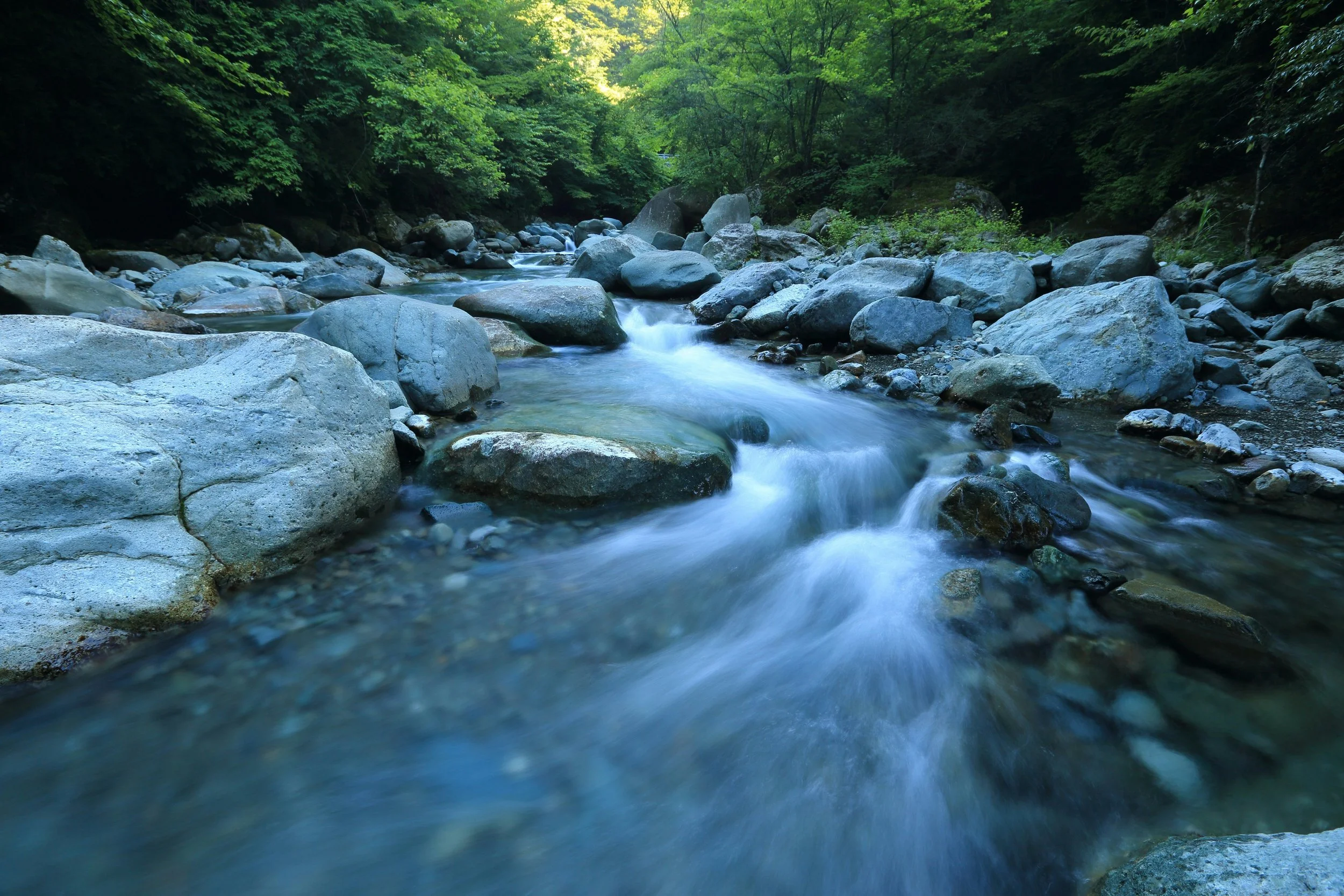
By Maki Sakai
“Control of consciousness determines the quality of life.”
The meeting is just a few hours away, and I’m the one who has to lead it.
My heart is racing. What if I mess up? What if I’m not good enough? My mind is filled with endless thoughts. I have so much to do, yet I can’t seem to get anything done.
I’ve experienced moments like this countless times. Whenever an important event approaches, I become increasingly anxious. The meeting itself might last only an hour, but I spent hours beforehand worrying about something that hasn’t even happened yet. But what if I can’t change the meeting, yet I can change how I spend the hours leading up to it?

A Different Kind of Afternoon
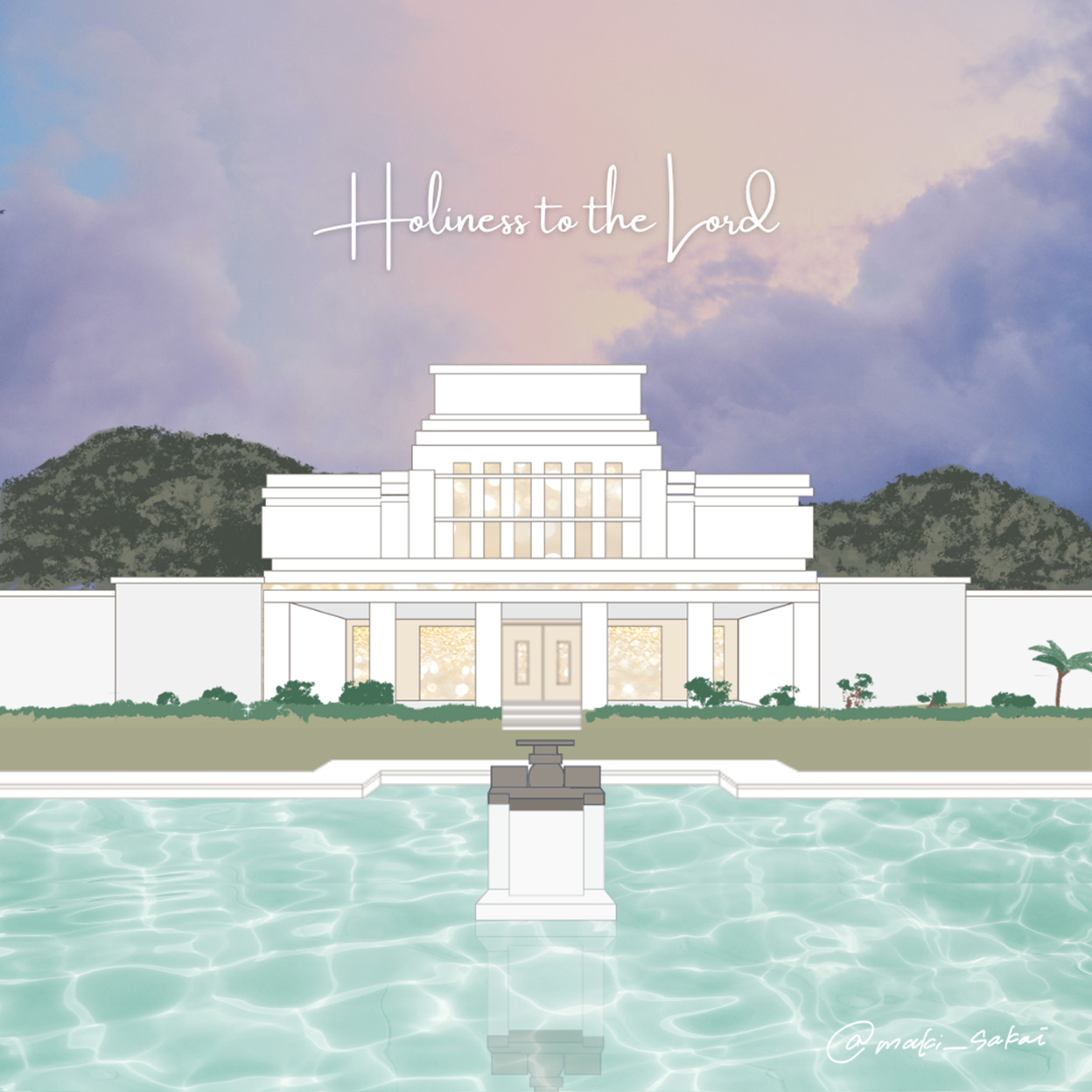
Last October, I learned about a psychological concept called flow in my positive psychology class. Flow is a state of deep engagement in an activity, where we become so absorbed in what we’re doing that we may lose track of time and everything around us (Csikszentmihalyi, 1975). As I learned about it, I thought about how I feel when I draw illustrations. So one afternoon, I decided to try something different.
I had an important online interview scheduled for 4:00 p.m. Normally, I would have spent the hour before the interview feeling overwhelmed by anxiety, unable to focus on anything else. But that day, I made a different choice. At 3:00 p.m., I started drawing. I drew lines, added colors, created shadows, made adjustments, and kept going. Before I knew it, I was completely absorbed in my illustration. My worries about the interview, what others might think of me, and whether I would do well had faded into the background. I was simply enjoying what I was doing. I felt genuinely happy.
Then my timer went off. Five minutes until the interview. I put down my drawing tools and switched to the video call tab. Nothing about the interview had changed. Yet the way I felt going into it was completely different. Instead of spending that hour overwhelmed by anxiety, I had spent it doing something I truly enjoyed.
The Science of Flow
Have you ever become so absorbed in something that you completely lost track of time? Psychologists call this experience flow, often described as being “in the zone.” First introduced by psychologist Mihaly Csikszentmihalyi in 1975, flow is a state of mind in which a person becomes fully immersed in an activity. It is characterized by intense concentration, a sense of control, reduced self-consciousness, and an altered perception of time (Csikszentmihalyi, 1975). Flow often occurs when our skills match the challenge before us – not so easy that we become bored, and not so difficult we feel overwhelmed (Fong et al., 2015)
I used to believe I couldn’t enjoy the present until my worries were gone. But that afternoon taught me otherwise. I wasn’t simply escaping my anxiety; I was fully engaging with something I loved. Research suggests that flow is positively associated with well-being, particularly with a sense of meaning and personal growth (Sweeny et al., 2026). We often place happiness somewhere in the future: When I pass the exam. When I finish my work. When I have nothing left to worry about. But that afternoon, I was happy before my interview even began. I was simply drawing. Rather than letting my worries consume the hours before my interview, I found a healthier way to cope with my stress. Perhaps happiness isn’t found only in what we accomplish, but also in how deeply we engage with what we’re doing along the way.
Reclaiming the Present
Even now, as I write this blog post, I find myself losing track of time. Life is full of uncertainties, and sometimes we become so focused on what might happen next that we forget to enjoy what’s happening now.
What activities make you lose track of time? This week, consider making time for one of them. We can’t force ourselves into flow, but we can create opportunities for it by engaging in activities that challenge and inspire us. After all, life is still happening while we’re waiting for something else to happen.
“It is when we act freely, for the sake of the action itself rather than for ulterior motives, that we learn to become more than what we were.”
References
Csikszentmihalyi, M. (1975). Play and intrinsic rewards. Journal of Humanistic Psychology, 15, 41-63. https://doi.org/10.1177/002216787501500306
Fong, C. J., Zaleski, D. J., & Leach, J. K. (2015). The challenge-skill balance and antecedents of flow: A meta-analytic investigation. Journal of Positive Psychology, 10, 425-446. https://doi.org/10.1080/17439760.2014.967799
Sweeny, K., Medina Huerta, J., Hawes, J., & Susoeff, S. (2026). Just keep flowing: A meta-analysis on the relationship between flow and well-being. Emotion, 26(6), 1323–1335. https://doi.org/10.1037/emo0001657