
By Alec Harlow
“Pull a thread here and you’ll find it’s attached to the rest of the world.”
Loneliness
Roughly a fifth of people surveyed from 148 countries in 2023-2024 reported feeling lonely (Leblang & Wesselbaum, 2026). By those statistics, it's likely that you, like me and others, have or will experience moments of loneliness too. We can at least know we are not alone in experiencing loneliness, right? In truth, knowing this may help alleviate some sense of isolation, but there is another tool I hope to share with you in this blog post that has been enormously helpful for me in my story.
Regardless of when or how, loneliness can be quite burdensome, like a weighted vest or a viscous river in which you have to trudge through your daily tasks! In an analysis of 5 studies about emotional loneliness, “low mood, a lack of sense of purpose and feelings of suffering, family abandonment, and pervasive worry” all were closely linked to people who reported feeling lonely (Mansfield et al., 2021). If you’ve experienced any of these feelings, I’d like to focus on one relationship that has helped me to feel a steady sense of company and reliable support.

Personal Experience With Interconnectedness
I first heard about interconnectedness in my third year at college. At the time, I was working through a breakup from earlier in the year, starting a new semester of school, and had moved into a new house further away from campus, making settling into a rhythm more challenging. I sometimes wished for company on campus that I didn’t always have. Sleep deprivation and assignments also often forced me to sacrifice time with friends to finish up last minute assignments. The greatest tool to cope with my loneliness came after a class discussion about interconnectedness.
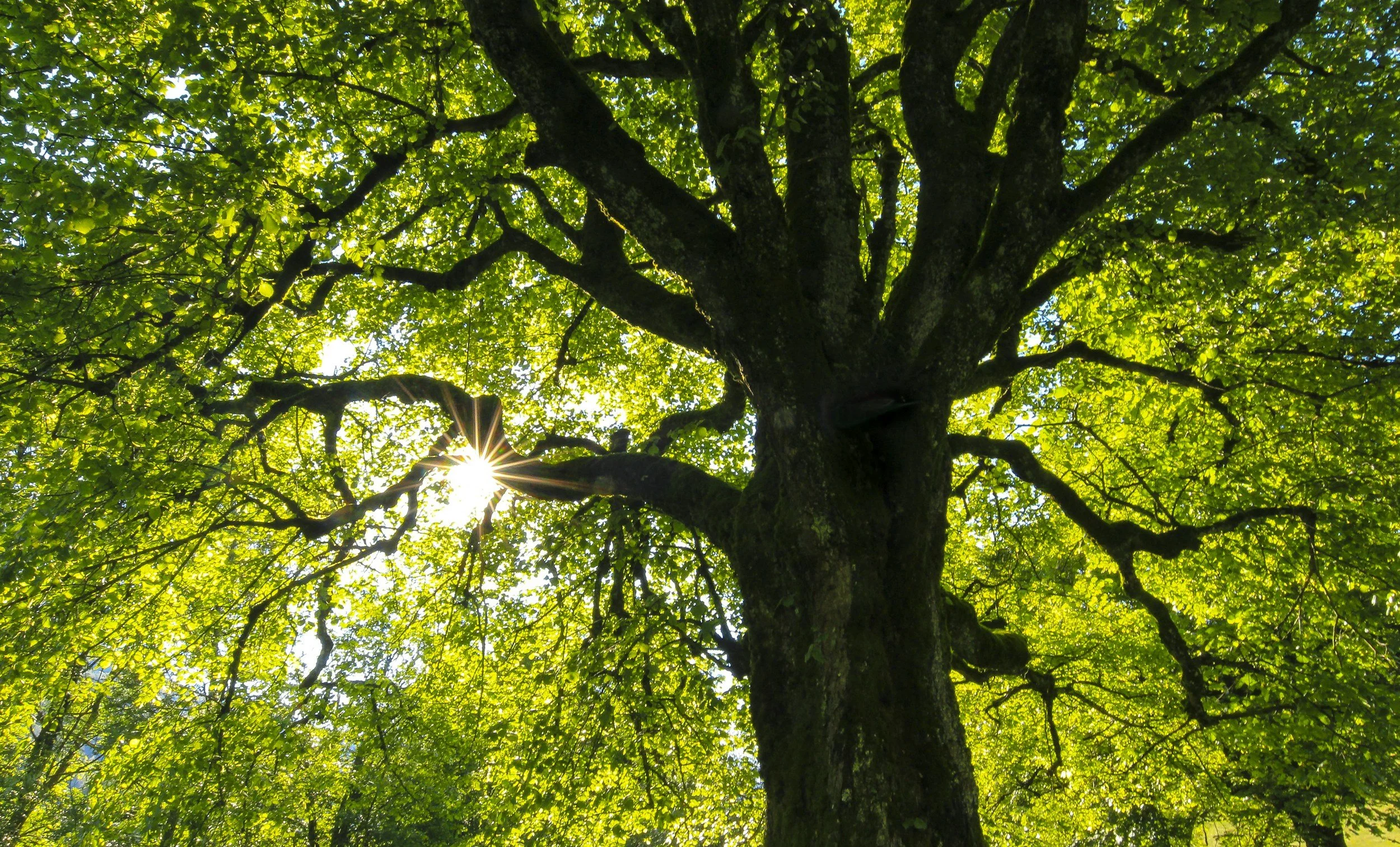
We discussed how we often view ourselves and others as distinct and separate. In Western cultures, personal achievement and being in control of our own fate are especially valued (Konsky et al., 2000). This is a lens through which I was largely raised to see the world. However, following this discussion, mind-stretching ideas about the vastness and intricacies of the world as a spectacular yet fragile system saturated my mind. Humankind, trees, plants, animals, rocks, dinosaurs, rivers all became so connected to me. The connection had been there the whole time, but I had not yet acknowledged it. One wilderness-based therapist, named Nick Totton, described the words of a client who experienced a similar kind of insight to me when she said, “No one has ever accepted me as deeply as that oak tree” (Totton, 2014). This woman I believe was able to acknowledge the unconditional acceptance, support, and connection that the oak tree offered her for perhaps the first time and cherished that experience out loud with her therapist to witness.
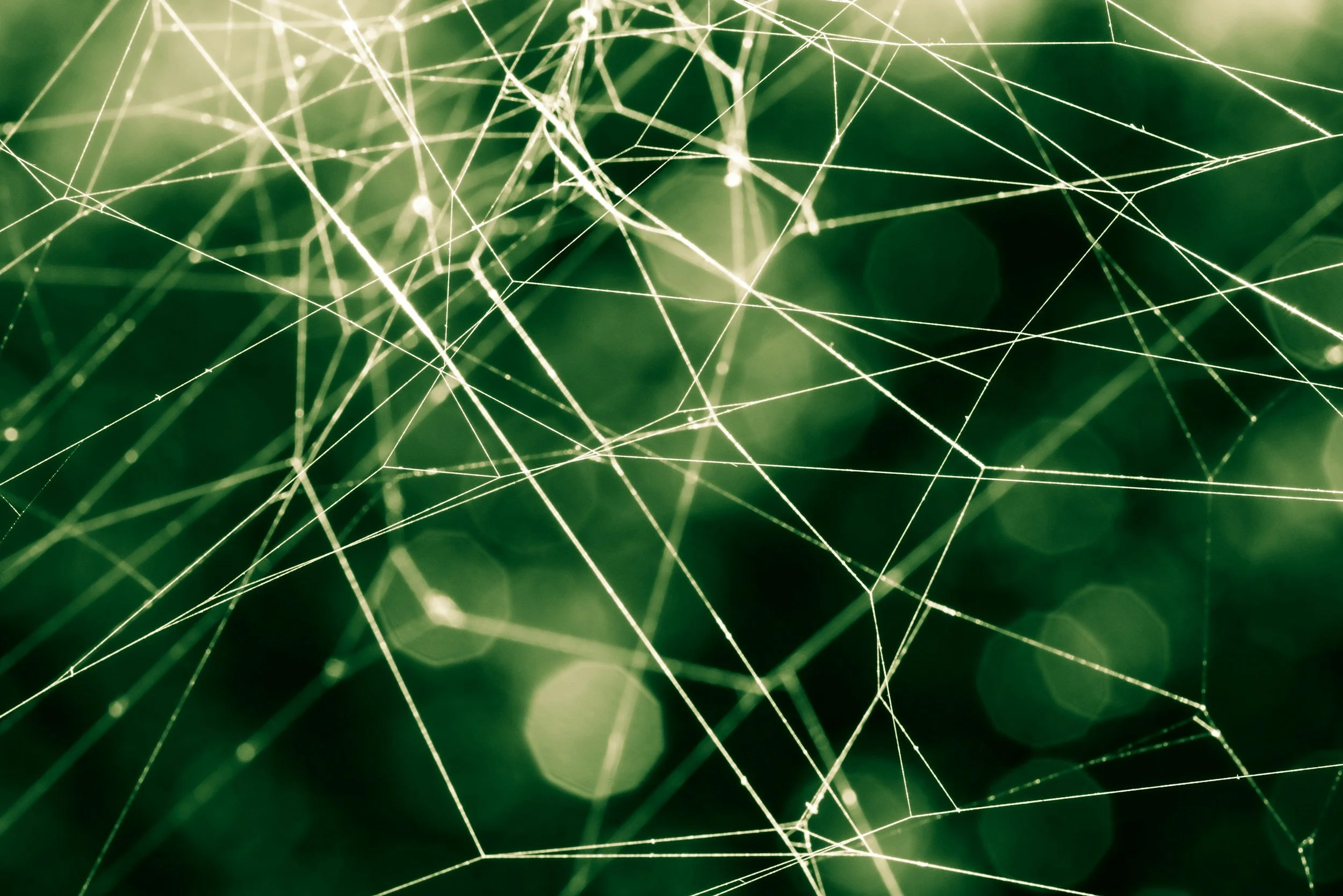
Even from the most rigorous scientific perspectives, the very things that make up who we are—as well as the trees and everything else—have been around longer than anything we can comprehend. The quarks that make up the protons, and neutrons of our universe are estimated to be billions of years old (Atazadeh et al., 2012). They have likely been part of stars, oceans, ichthyosaurs, dinosaur saliva, pinecones, or almost infinite other possibilities before landing to become part of the substance that supports who you are today. All things in the world are made of these similar structural pieces, and they are all bound together by the same quantum particles (called gluons) that keep all our atoms together (Kronfeld, 2008).
These thoughts began to take shape into a novel perspective which, for me, gave new meaning to everyone’s place in this beautiful system we call “Earth'“. I gradually felt my western cultural biases melt away, and I allowed the perspective of interconnectedness to settle in. I felt like I could see much of the world that I couldn’t before. It’s not that these connections were absent, but I was ignorant to them before. I stopped thinking of myself as an independent entity from the world, and instead as a deeply reliant, intimately connected piece of the earth’s history. I felt accepted and supported like that woman felt about the oak tree, and it was both grounding and transcendent at the same time. As one nature-based therapist reported in an interview, “there is something very spiritual, as in anything that lets you feel that your story is in sync with all the other stories in the world” (Naor & Mayseless, 2020).
When we realize that we are not only accepted but deeply supported and accepted by the planetary networks around us, our moments of loneliness turn into a symphony of accompaniment as awareness is brought to all the ecological systems that support the abundance of the Earth and you. Connection is immensely available wherever we go, whether we acknowledge it or not. Next time, just say “hello” to that friendly tree.
Recommendations for Daily Acknowledgement of Interconnectedness
Check out the overview effect—all aboard spaceship Earth!
Express gratitude for the next tree you see for providing oxygen to breath.
Bring curiosity to your next meal—what nutrients and organisms contributed to the meal you are enjoying? What kinds of things have these atoms been a part of during their lifetime?
Visualize your web of connection between you and the things and places you appreciate most from your life.
Record a voice/video journal entry about your thoughts about interconnectedness.
View the interconnectedness strategies menu.
References
Atazadeh, K., Ghezelbash, A. M., & Sepangi, H. R. (2012). QCD phase transition in DGP brane cosmology. International Journal of Modern Physics D, 21(08), 1250069.
Konsky, C., Eguchi, M., Blue, J., & Kapoor, S. (2000). Individualist-collectivist values: American, Indian and Japanese cross-cultural study. Intercultural Communication Studies, 9(1), 69-84.
Kronfeld, A. S. (2008). The weight of the world is quantum chromodynamics. Science, 322(5905), 1198–1199. https://doi.org/10.1126/science.1166844
Leblang, D., & Wesselbaum, D. (2026). Loneliness around the world: patterns, predictors, and well-being implications. European Journal of Epidemiology, 41(8), 1005–1017. https://doi.org/10.1007/s10654-026-01424-z
Mansfield, L., Victor, C., Meads, C., Daykin, N., Tomlinson, A., Lane, J., Gray, K., & Golding, A. (2021). A conceptual review of loneliness in adults: Qualitative evidence synthesis. International Journal of Environmental Research and Public Health, 18(21), 11522. https://doi.org/10.3390/ijerph182111522
Naor, L., & Mayseless, O. (2020). The therapeutic value of experiencing spirituality in nature. Spirituality in Clinical Practice, 7(2), 114–133. https://doi.org/10.1037/scp0000204
Totton, N. (2014). The practice of Wild Therapy. Therapy Today, 25(5), 14–17.