By Jordyn Duff
“Music is the shorthand of emotion.”
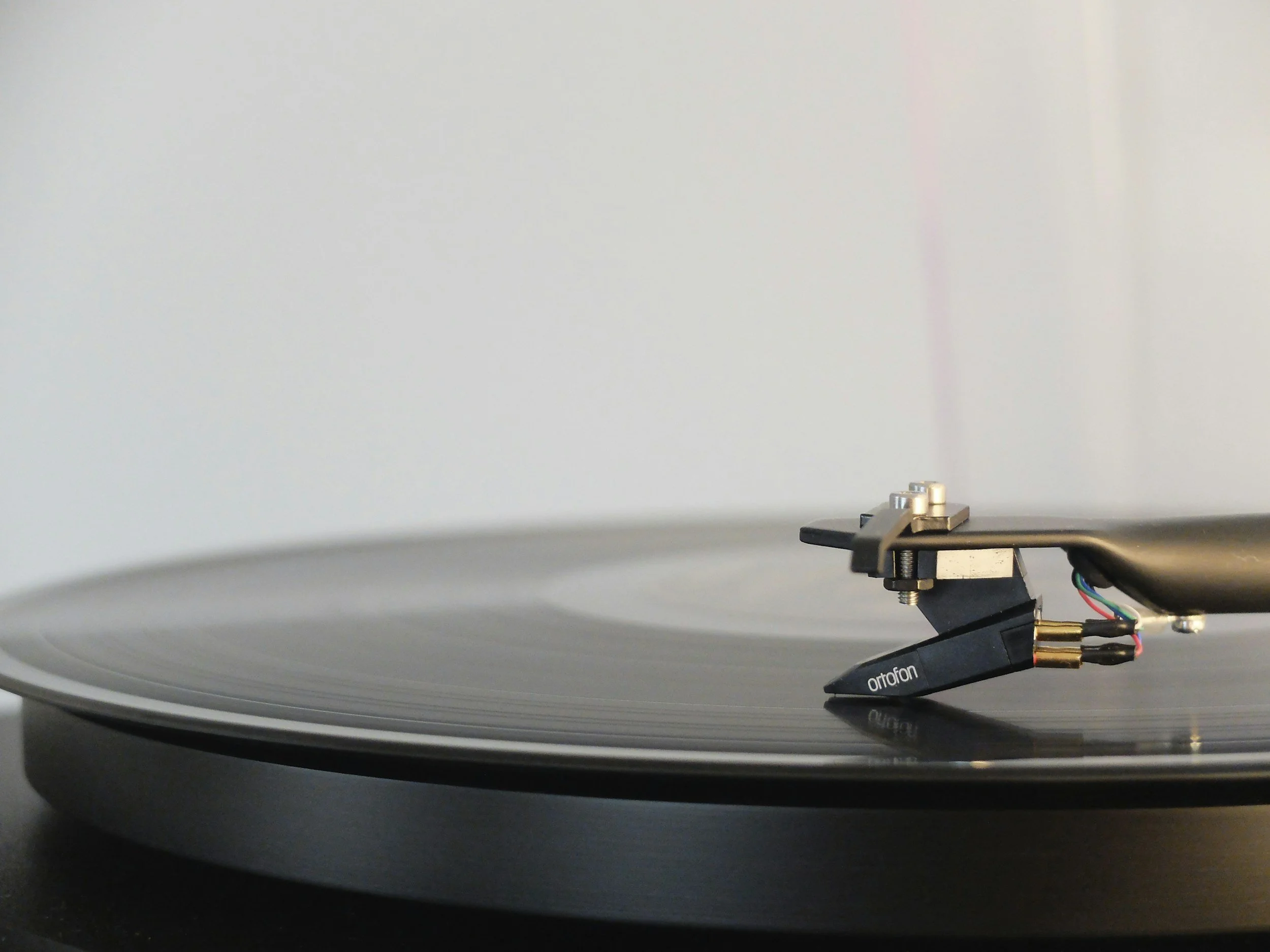
Recently, I’ve been on a kick listening to music that holds deep messages about life, learning, and growth. Listening to these songs has had a unique healing effect on some negative thoughts, emotions, and experiences that I have been having, while others have further amplified positive feelings in my life. Because it has been so powerful for me, I want to share it with you. A few have stood out to me, and through them, I’ve started to realize that music is more than just something we listen to; it can act as a form of emotional processing, reflection, and even healing.

From a positive psychology perspective, music itself can be understood as a form of well-being intervention—one that enhances mood, facilitates emotional regulation, strengthens social connection, and promotes meaning (Fancourt et al., 2016). In many ways, it naturally invites us into the same practices emphasized in MyBestSelf101, such as mindfulness, meaning-making, and personal growth. As I’ve listened more intentionally, I’ve found that certain songs don’t just sound good—they teach something. They offer perspectives on slowing down, connecting with others, and learning to love ourselves more fully. Here are some of the lessons music has taught me.
The other day, I was listening to a new album by one of my favorite artists, Leon Bridges. The songs switched from one to the next, eventually landing on one that strummed the deep chords of my soul. It’s called “Simplify.” It speaks of nostalgia for the past, when times were simpler and each of us more innocent. The melody and chorus speak of a yearning to simplify this life and how doing so may just be the cure for our regrets and deepening our loves. It spoke to my soul because I often find myself running around with so much to do that I forget really what I’m doing it for. I’m sure most of you have this same problem. In fact, research shows that a large proportion of adults report feeling chronically time-pressured and overwhelmed, with many indicating they lack sufficient leisure time and recovery (Kühnel et al., 2017; Giurge & Bohns, 2021). We seem to live in a hustle culture that rewards busyness, being overworked, and flaunting all the responsibilities we have on our plates.
When did it become like this? When did we collectively decide to leave behind the still evenings, dinners around the table, playful nights, and peaceful surrender to what tomorrow will bring? Is it really better for us to always have our schedules rigidly packed and procedural?
Research shows that busyness and the development of different mental and physical ailments are potentially related. For example, chronic time pressure and overwork have been linked to increased stress, burnout, sleep disturbances, and poorer overall well-being (Kühnel et al., 2017; Sonnentag & Fritz, 2015). Within positive psychology, this connects directly to the importance of recovery, balance, and engagement, which are central to well-being frameworks like the PERMA model (Seligman, 2011). The idea of “simplifying” aligns closely with interventions promoted in MyBestSelf101, such as mindfulness, savoring, and values-based living, which encourage individuals to intentionally slow down and reconnect with what matters most.
Maybe, slowing down and simplifying this life may be the answer to some of our deepest anxieties and stressors. Not doing more because it’s “better,” but doing less better.
“All I need is to simplify / Simplify this life / Simplify this life.”

As I continued exploring music with this mindset, I noticed a shift—not just toward slowing down, but toward understanding how we grow through difficulty and who helps us along the way. That’s when another song found me at just the right time.
I found it on an Instagram reel: “Click Clack Symphony” by RAYE and Hans Zimmer. This song has a different feel. It is less mellow and slow, speaking a powerful message. Not only does the melody make your soul feel like it is transcending, but the words themselves deliver a powerful sermon on growth and redemption. The lyrics speak of a woman overcoming her challenges with mental health, speaking about the nitty gritty difficulties and the profound lessons her experience with opposition has taught her. It also centers around the people that come marching to her aid, to help her overcome her sadness, to get her out of the house, and to be a support system for her during her difficulties.
These two themes—supportive relationships and finding meaning and growth through difficulty—are incredibly relevant topics in psychology. A plethora of research supports the idea that quality and supportive relationships help buffer the negative effects of mental health difficulties and are one of the strongest predictors of well-being and resilience (Feeney & Collins, 2015; Holt-Lunstad et al., 2010). Additionally, research on meaning-making and post-traumatic growth suggests that seeking purpose in suffering is associated with greater psychological adjustment, resilience, and long-term well-being (Park, 2010; Tedeschi et al., 2018).
Within positive psychology, these ideas map directly onto relationships and meaning, two core pillars of flourishing (Seligman, 2011). MyBestSelf101 frequently emphasizes building strong social connections and reframing adversity as an opportunity for growth—both of which are echoed beautifully in this song. RAYE was onto something when she said, “maybe everything is going to be alright.”
“And in fact, tonight she did confirm / The cold never lasts, my darling / It just teaches the heart how to burn.”

Naturally, this reflection led me inward. If relationships and meaning help us through hardship, what role do we play in giving that same care to ourselves? That’s where the next song comes in.
The tune switches, and this time, it’s “Forever a Lover Girl” by Olivia B. Moore. Groovy, smooth, and positive, this tune speaks of a woman who has come to realize that the love she has been seeking in other people was the love that can and should come from herself. It speaks about finding peace and self-compassion in knowing that every individual is worthy of love.
This speaks to important topics within psychology, particularly that of self-compassion. I think the reason this song stuck out to me so much is because I see a lot of people around me and on social media stressing over the lack of romantic and even platonic love in their lives. While research does support the idea that adults are increasingly delaying or engaging less in traditional romantic relationships (Twenge et al., 2019), this song is an anthem of redemption that encourages everyone to practice self-compassion even when it is difficult to receive that love from other people.
I love this message because it feels hopeful to me that as each person is compassionate and loving towards themselves, they will be able to better reflect that love into their own lives and reap the benefits from positive and deeply rewarding relationships. Research even suggests that self-compassion is associated with greater emotional resilience, lower anxiety and depression, and healthier relationship functioning (Neff & Germer, 2013; MacBeth & Gumley, 2012).
Within positive psychology, self-compassion is a powerful internal resource that supports positive emotion, resilience, and personal growth. MyBestSelf101 emphasizes exercises like self-reflection, strengths identification, and the “best possible self,” all of which encourage individuals to develop a kinder, more supportive inner dialogue—mirroring the message of this song.
“See, I was never broken, just unfolding slow.”
There are a million more songs I could go on about, but I encourage you to give these three a listen. Search for more. Maybe there is a message of positivity, growth, and power that is waiting to reach your ears through a melodic tune. I have always been appreciative of how poetry and music can touch the human soul, and I love it even more now as I’ve come to see how closely it aligns with principles of positive psychology—helping us cultivate awareness, meaning, connection, and growth in ways that feel both natural and deeply personal. In this way, music becomes more than just entertainment; it becomes a tool for becoming our best selves.
Happy listening.
More songs to consider in your search for musical medicine:
“Candlelight” by Zhavia
“Good Vibrations” by Nectar Woods
“Finding Me Again” by Mary of Gold
“Let Go of the Reigns” by Olivia B. Moore
“The Prayer” by Celine Dion and Andrea Bocelli
References
Feeney, B. C., & Collins, N. L. (2015). A new look at social support. Personality and Social Psychology Review, 19(2), 113–147. https://doi.org/10.1177/1088868314544222
Fancourt, D., Ockelford, A., & Belai, A. (2016). The psychoneuroimmunological effects of music. Psychoneuroendocrinology, 72, 44–56. https://doi.org/10.1016/j.psyneuen.2016.05.015
Giurge, L. M., & Bohns, V. K. (2020, September 10). 3 ways to stop feeling busy. Harvard Business Review. https://hbr.org/2020/09/how-to-defeat-busy-culture
Holt-Lunstad, J., Smith, T. B., & Layton, J. B. (2010). Social relationships and mortality risk. PLoS Medicine, 7(7), e1000316. https://doi.org/10.1371/journal.pmed.1000316
Kühnel, J., Bledow, R., & Feuerhahn, N. (2017). When do you feel recovered? Journal of Applied Psychology, 102(6), 905–919. https://doi.org/10.1037/apl0000214
MacBeth, A., & Gumley, A. (2012). Exploring compassion. Clinical Psychology Review, 32(6), 545–552. https://doi.org/10.1016/j.cpr.2012.06.003
Neff, K. D., & Germer, C. K. (2013). A pilot study of mindful self-compassion. Journal of Clinical Psychology, 69(1), 28–44. https://doi.org/10.1002/jclp.21923
Park, C. L. (2010). Making sense of the meaning literature. Psychological Bulletin, 136(2), 257–301. https://doi.org/10.1037/a0018301
Seligman, M. E. P. (2011). Flourish: A visionary new understanding of happiness and well-being. Free Press.
Sonnentag, S., & Fritz, C. (2015). Recovery from job stress: The stressor-detachment model as an integrative framework. Journal of Organizational Behavior, 36(S1), S72–S103. https://doi.org/10.1002/job.1924
Tedeschi, R. G., Shakespeare-Finch, J., Taku, K., & Calhoun, L. G. (2018). Posttraumatic growth. Routledge. https://doi.org/10.4324/9781315527451
Twenge, J. M., Sherman, R. A., & Wells, B. E. (2017). Declines in sexual frequency among American adults, 1989–2014. Archives of Sexual Behavior, 46(8), 2389–2401. https://doi.org/10.1007/s10508-017-0953-1