

By Marinne Hammond
“Be kind, for everyone you meet is fighting a harder battle.”
Have you ever witnessed someone, even a stranger, having a difficult time and felt as though you should help them in some way? Our website defines this feeling as compassion; in other words, it is “the emotional experience of seeing another's suffering and being moved to try to alleviate that suffering.” Unfortunately, we do not need to look far to find human suffering. At the same time, there are many profound examples in the world of how another’s compassion can meet this suffering.
One of these examples is found in the life of Mother Teresa. Mother Teresa was a nun who witnessed the suffering that occurred in Kolkata, India as a result of a widespread famine in 1943 (History.com, 2024). After witnessing this suffering, she founded the Missionaries of Charity. This organization involved living with the poor and showing kindness, compassion, and empathy towards them. Within this organization, people built orphanages, hospices, and nursing homes serving those with leprosy. The Missionaries of Charity spread throughout the world and eventually consisted of at least 120,000 lay workers and 1800 nuns (History.com, 2024).

Mother Teresa’s story demonstrates the power that one compassionate individual can have, including the power to inspire compassion in others. The beauty of compassion is that, unlike pity, compassion is a catalyst for objective action that can change the lives of others.
Compassion is an agent of change that has been researched; for example, compassion toward others may be associated with less loneliness (Lee et al., 2021). Not only this, but having more compassion may be linked to more mindfulness skills, decreased worry, and greater happiness (Jazaieri et al., 2014).
Another exceptional example of compassion is Audrey Hepburn, best known as a Hollywood star. Audrey grew up in the Netherlands during the Dutch famine in 1944 (World Food Program USA, 2021). Because of the famine, Audrey experienced malnutrition, acute anemia, and respiratory issues. Later on, she was able to have help from the United Nations Relief and Rehabilitation Administration, which provided the famine victims with food aid, medical supplies, and clothing. This organization became the United Nations Children’s Fund (UNICEF). Later in life, Audrey became a part of this organization and was a UNICEF Goodwill Ambassador (World Food Program USA, 2021).
The following quote from Audrey is a clear example of what it is like to be moved by the suffering of others, a core component of compassion:
I … saw mothers and their children who had walked for ten days, even three weeks, looking for food, settling onto the desert floor into makeshift camps where they may die. Horrible. That image is too much for me. The ‘Third World’ is a term I don’t like very much, because we’re all one world. I want people to know that the largest part of humanity is suffering.
Audrey also shared how her own experience shaped her compassionate alliance with UNICEF. She said: “I can testify to what UNICEF means to children, because I was among those who received food and medical relief after World War II. I have a long-lasting gratitude and trust for what UNICEF does."
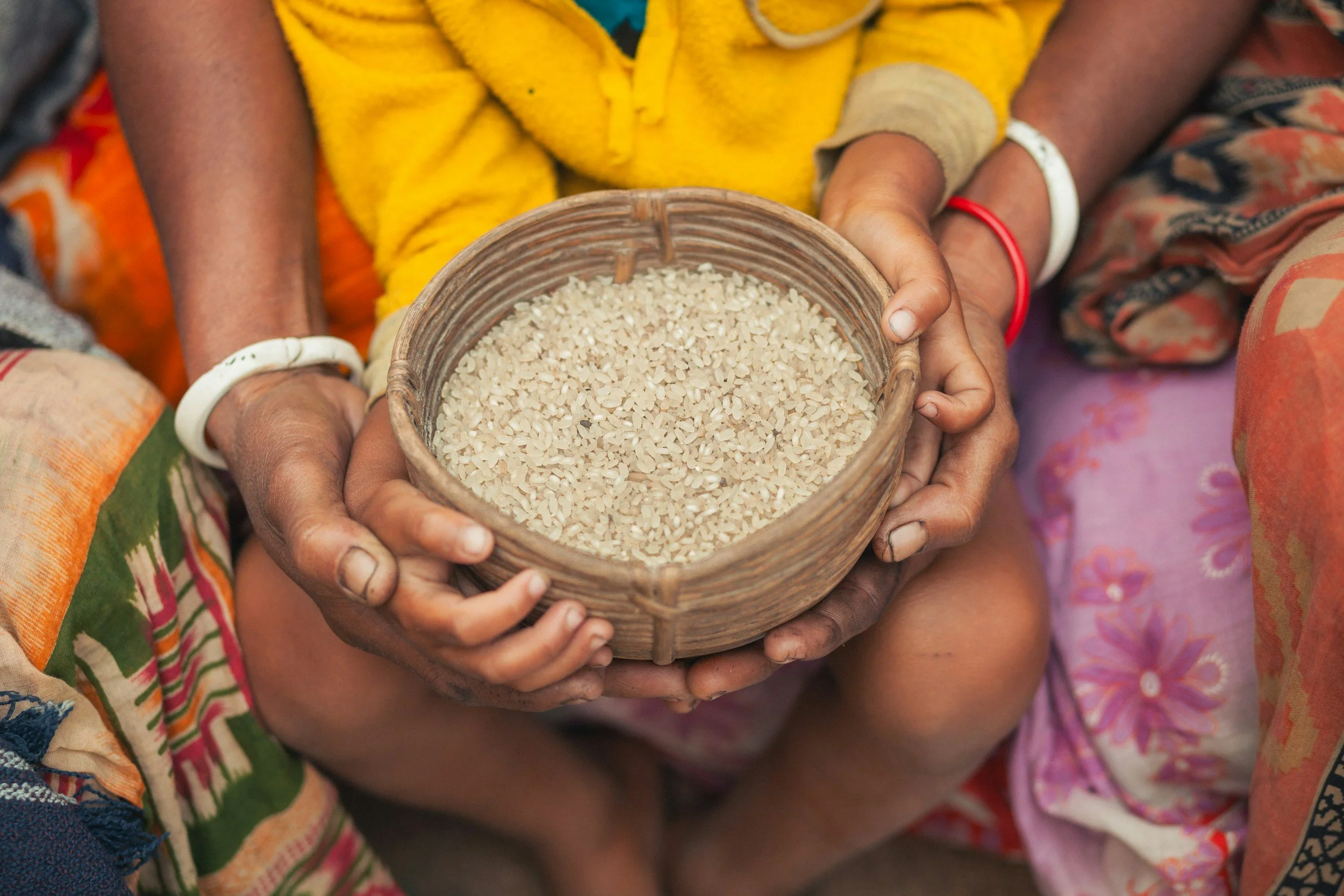
This quote reminds us that our own experiences, though sometimes painful, can be the foundation of the compassion we have for others. Whether you are a public figure like Audrey Hepburn or an ordinary human being, remember that, because suffering is universal, the compassion you feel can always be meaningful.
If you are looking for ways to bring more compassion into your life, consider the following:
Use a journal to record every time someone shows compassion or kindness to you.
Take a moment to think about your closest family and friends. Are any of them going through a hard time right now? If so, consider one small compassionate step you can take, like making time to call or text them.
Learn more about compassion on our compassion module: https://www.mybestself101.org/compassion
Practice a meditation focused on compassion. Here are a few options:
Giving and Receiving Compassion: https://self-compassion.org/practices/giving-and-receiving-compassion-2/
Loving-Kindness: https://youtu.be/4RPHbRC3wl8?si=VLFBLGwKHWT2kCh-
“No one has ever become poor by giving.”
References
History.com. (2024, February 26). Mother Teresa. https://www.history.com/articles/mother-theresa
Jazaieri, H., McGonigal, K., Jinpa, T., Doty, J. R., Gross, J. J., & Goldin, P. R. (2014). A randomized controlled trial of compassion cultivation training: Effects on mindfulness, affect, and emotion regulation. Motivation and Emotion, 38(1), 23–35. https://doi.org/10.1007/s11031-013-9368-z
Lee, E. E., Govind, T., Ramsey, M., Wu, T. C., Daly, R., Liu, J., Tu, X. M., Paulus, M. P., Thomas, M. L., & Jeste, D. V. (2021). Compassion toward others and self-compassion predict mental and physical well-being: A 5-year longitudinal study of 1090 community-dwelling adults across the lifespan. Translational Psychiatry, 11(1), 397. https://doi.org/10.1038/s41398-021-01491-8
World Food Program USA. (2022, June 30). Hunger heroes: Audrey Hepburn. https://wfpusa.org/news/historys-hunger-heroes-audrey-hepburn/ Wordsworth, W. (1888). The complete poetical works of William Wordsworth. Macmillan and Co. (Original work published 1807).