
resilience

When Life Falls Apart: Psychological Flexibility Helps Us Bend Without Breaking

When Life Falls Apart: Psychological Flexibility Helps Us Bend Without Breaking

We all know someone who seems to navigate life’s chaos with surprising steadiness. Plans fall apart? They adapt. Unexpected stress shows up? They adjust. A hard emotion hits? They don’t get stuck, they get curious. People like this aren’t simply resilient, and they’re not “lucky.” They’re practicing a major life skill, something psychologists call psychological flexibility, and research shows it may be the single most important predictor of mental health and well-being across nearly every domain of life. In fact, many scientists argue that psychological flexibility is the core of human flourishing (1). And yet, unlike mindfulness or gratitude, it rarely gets the spotlight. Let’s fix that!
The Power of the Yellow Zone—Building Resilience by Slowing Down

The Power of the Yellow Zone—Building Resilience by Slowing Down

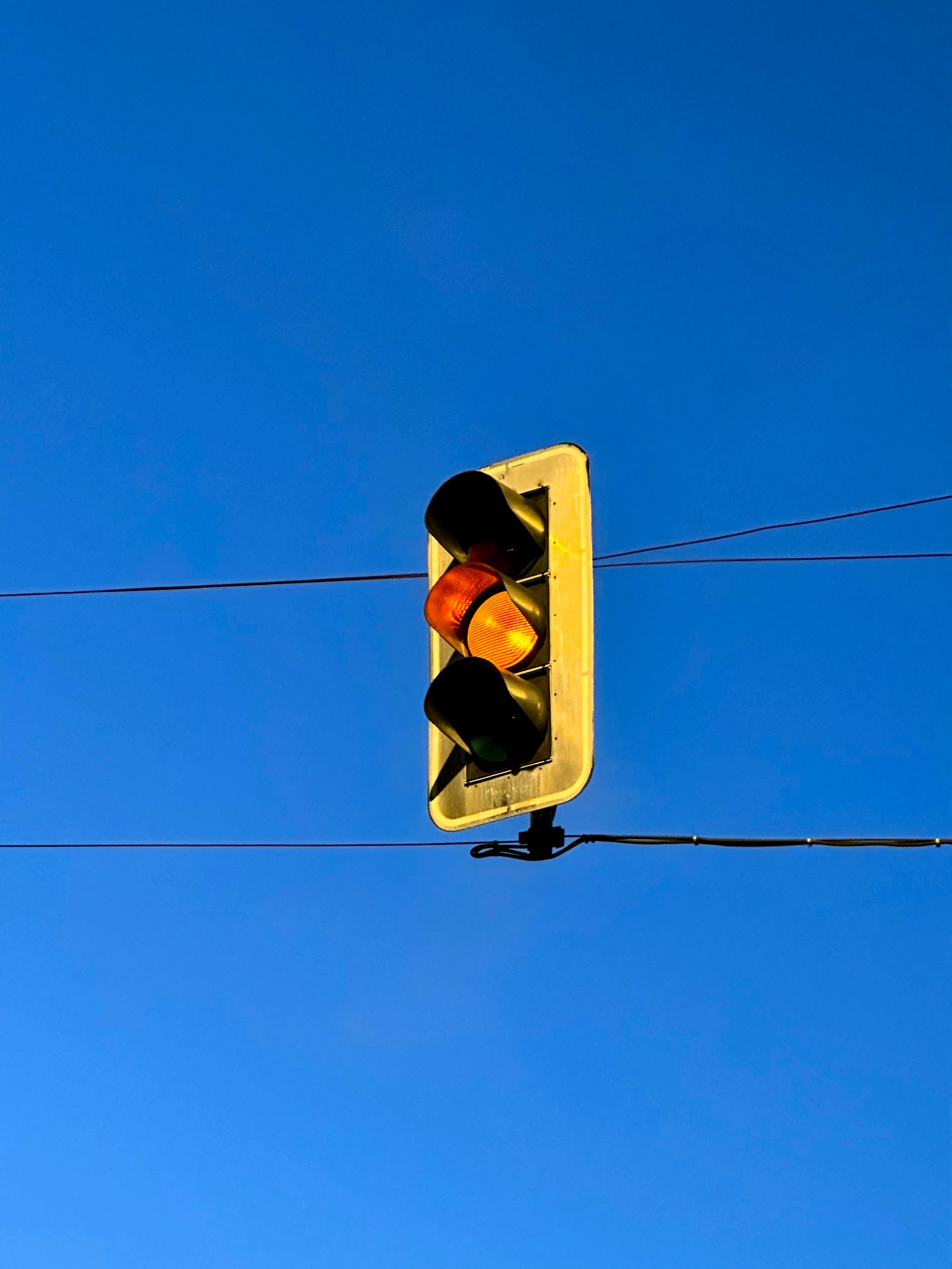
Spring is (almost) here! With the sun shining and the world awakening, it is natural to feel a sense of enthusiasm for life. I find myself feeling that fresh desire to dig into spring cleaning, sign up for a half marathon, try new recipes, and get outside. While these things are all good, beware of giving into the urge to speed up too quickly. As with running a long race, sprinting can burn you out quickly, whereas a gradual acceleration and maintainable pace can help ensure that you have enough left in the tank to make it successfully to the finish line. Resilience is defined as the ability to recover successfully after a change, challenge, or adversity. It can be easy to equate resilience with “doing it all”. To the untrained eye, we may assume that someone who is having lots of achievement is also resilient, however, resilience is not found in the ability to stretch, but in the ability to recoil. The space BETWEEN stop and go is the place where resilience is grown and maintained- it takes place in what I like to call the yellow zone.  

Gratitude: My Patient and Wise Friend

Gratitude: My Patient and Wise Friend

Staring at the dark ceiling again, I cringe at the uneven snore escaping from the relaxed form next to me. My young children describe the sound as a bear, I just call it unbearable. I have studied sleep cycles. I know how crucial sleep is. I know first hand the effects of its deprivation. Knowing I’m missing its protective, healing, and consolidating benefits doesn’t help. Nudging the peaceful partner next to me doesn’t help. Shaking him doesn’t even help. Where did he get this superhuman sleeping power from, and why can’t I have it too? None of these thoughts help either. Frustration, deep fatigue, desperation, and pity all begin to take root inside of me. “Please, please just let me sleep,” I cry.

Beyond Burnout: Cultivating Resilience and Well-being

Beyond Burnout: Cultivating Resilience and Well-being

As with most college students, I have kept myself very busy throughout my whole college career. After all four years… I. AM. TIRED! It is harder than before to focus on my future goals, much less school work. I find myself overly stressed and easily tired out after finishing just a couple of assignments. It is difficult to relax with all the work on my mind and yet I can’t stop procrastinating. I get so easily sucked into my phone and other distractions that it’s a struggle to even start my work. Some may call this phase, senior burnout.  According to psychologytoday.com (Sussex Publishers, n.d.), burnout is defined as “a state of emotional, mental, and often physical exhaustion brought on by prolonged or repeated stress.” Signs of burnout can be cynicism, depression, dread of work, emptiness, and hopelessness. There may even be some physical repercussions such as tiredness, headaches, heartburn, and stomach problems.  

Exploring the Meaning Behind Resilience

Exploring the Meaning Behind Resilience

Resilience is a characteristic that most people probably strive to master—in life, there are countless opportunities and rewards we may long for, but they aren’t guaranteed. It requires work to obtain these rewards. And, even after putting in the work, our efforts may not yield a desirable outcome. This is where resilience comes in—being able to move forward without giving up. I wanted to learn more about resilience from a scientific perspective, so I turned to positive psychology journals and found a lot more than I was expecting. Needless to say, resilience has a lot of aspects to it that I was not expecting! It helped me to understand myself better and see opportunities for growth, rather than trying to label myself as either “resilient” or “weak”. I thought it would be more meaningful to rely not only on the scientific definitions I found, but also on the lived experiences of some of the most resilient people I know.

Antifragility: What Doesn’t Kill You Makes You Stronger

Antifragility: What Doesn’t Kill You Makes You Stronger

When we develop antifragility, we are able to experience significant personal growth and become better equipped to handle life’s trials as a result of those struggles. Resilience means we’re able to withstand the hard times in life, but antifragility means we’re actually benefiting from them.