By Marinne Hammond
“Your visions will become clear only when you can look into your own heart. Who looks outside, dreams; who looks inside, awakes.”
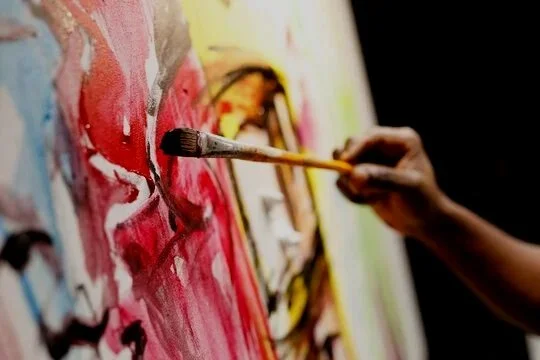
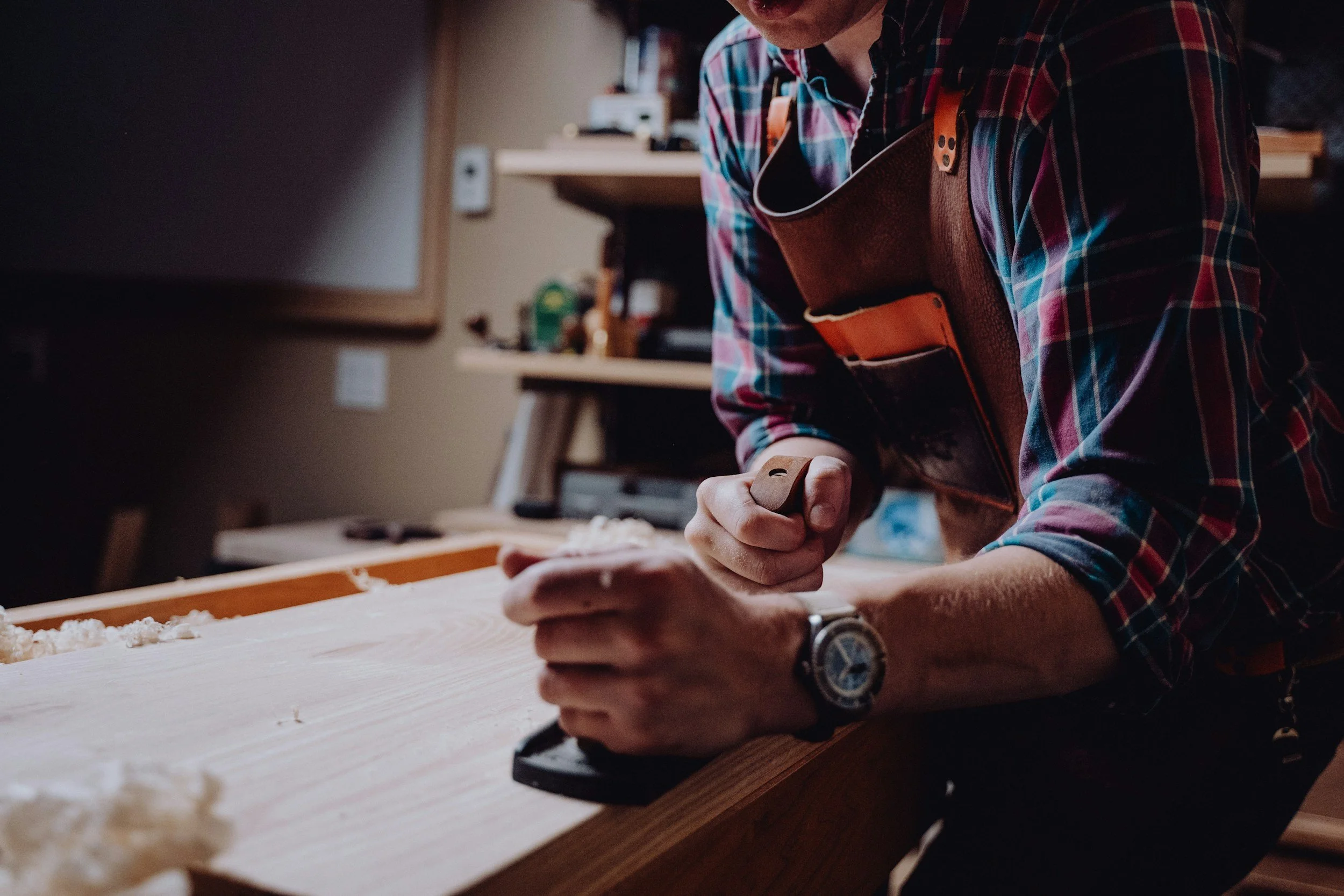
What is creativity? The American Psychological Association defines creativity as “the ability to produce or develop original work, theories, techniques, or thoughts” (APA Dictionary of Psychology, n.d., para. 1). Like me, you may have favorite creations that others have made, such as a piece of music or a painting. It may seem natural to applaud new discoveries or beautiful works of art creative people have made, because they benefit us or enrich our lives in some way. My grandfather was one of the most creative people I knew. He seemed to be able to make just about anything with his hands, whether it was a welded music stand, a wooden jewelry container, a silly face carved out of a golf ball, or a thoughtful note written in calligraphy. My grandfather’s creations brought wonder and joy into my life, and he gave many of these creations away to me and other family members as personalized gifts. This is just one example of how the creativity of one person can influence another for good.
A concept that seems to be less focused on is what creativity can do for the person who is creating. Recent research provides us insight into this question.
For example, researchers Acar et al. (2021) looked at 26 studies and what they had to say cumulatively about the relationship between creativity and well-being. Results showed that creativity and well-being had a significantly positive relationship; in other words, as creativity increased, so did well-being. This finding conflicts with the stereotypical view that creative people suffer from a lack of well-being (the “mad-genius” hypothesis; Acar et al., 2021).
Exercising creativity may have even more nuanced benefits. Johnson et al. (2021) conducted a 12-week intervention for adults above 55 involving either visual or literary arts. Both interventions were hypothesized to be associated with greater psychosocial well-being. Visual art interventions included ceramics and collage-making using family photographs, while literary arts interventions included creative writing and story-telling. Psychosocial well-being was measured through both structured assessment before and after the interventions, along with semi-structured participant focus groups. The results from this study were promising; for example, the ceramics intervention was associated with increased perceived mastery and interest in life. For all of the interventions, participants perceived benefits related to emotional well-being, social network and social support, interest in life/purpose, and self-efficacy (Johnson et al., 2021).
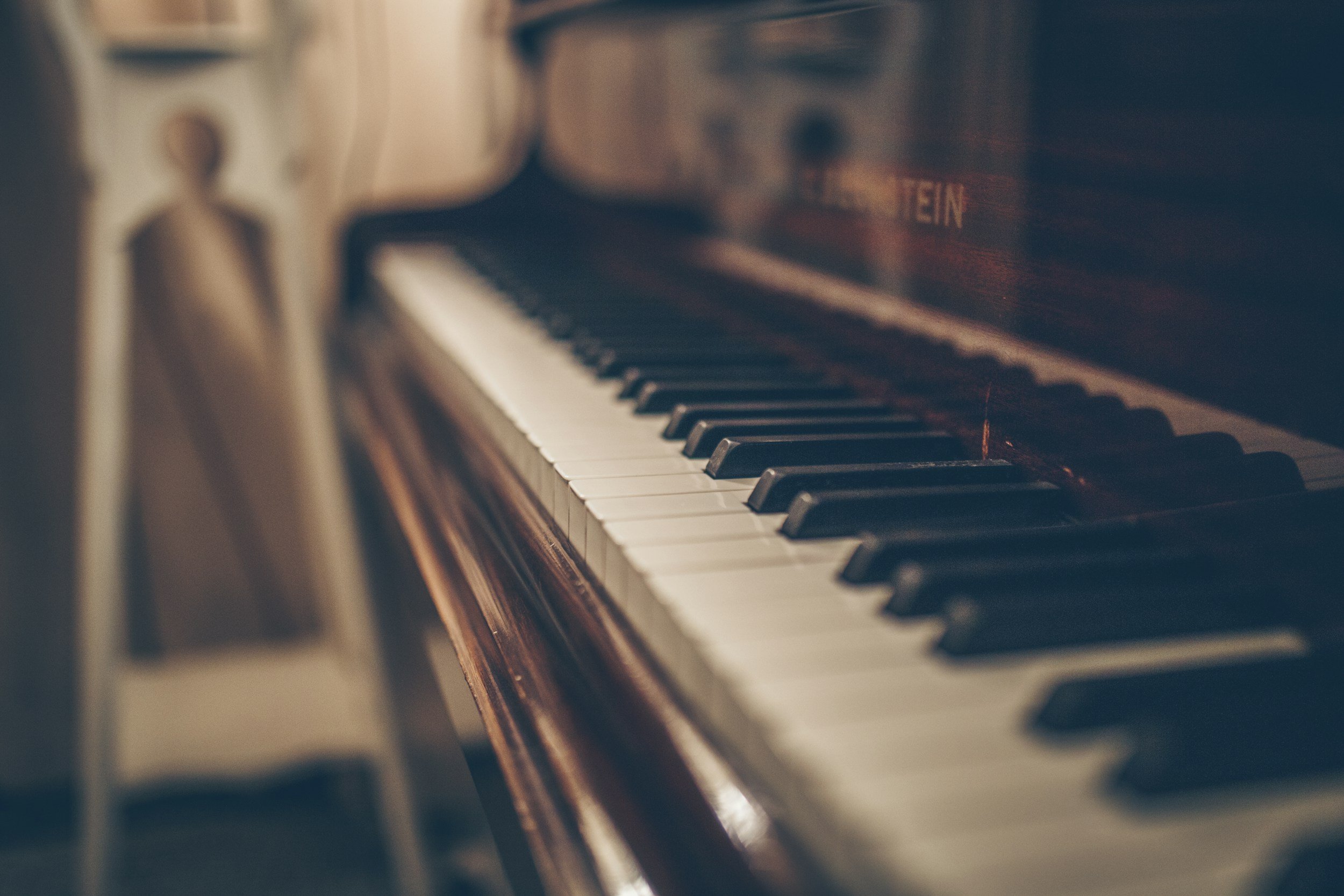
Other researchers wanted to know how well-being was affected by participatory music engagement (e.g., making music or singing; Perkins et al., 2020). A plethora of positive outcomes were highlighted in this study’s results. For example, participatory music engagement was associated with uplifting emotions, feelings of purpose and achievement, relaxation, and the ability to be in touch with challenging emotions. It was also a way to release negative emotions (Perkins et al., 2020).
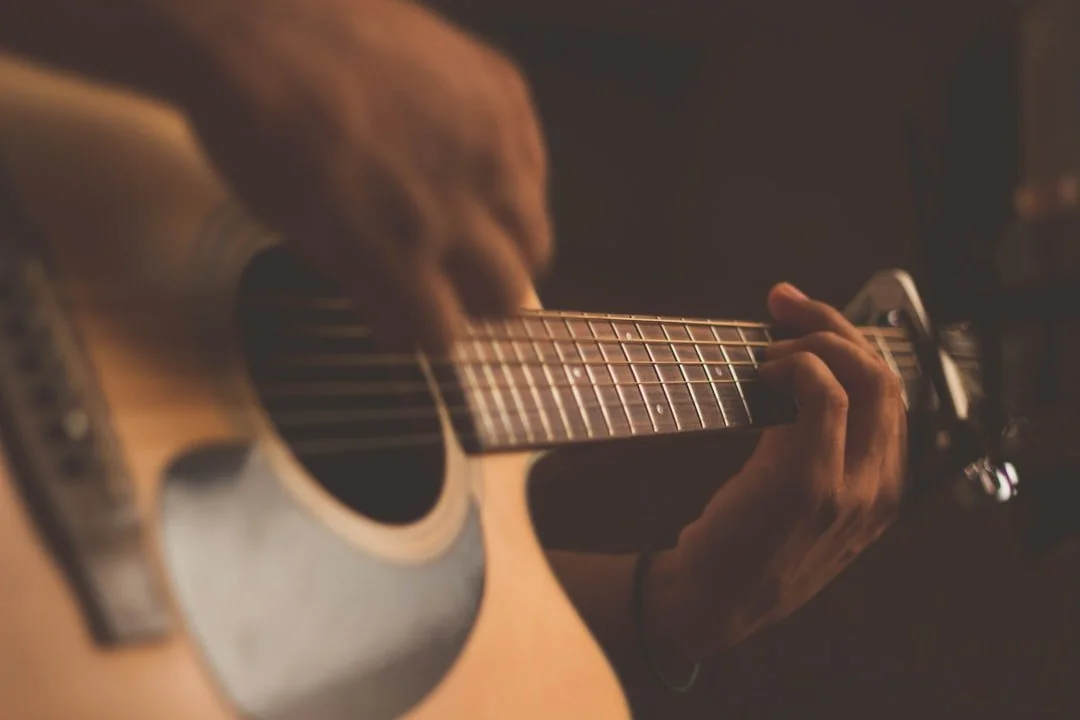
Based on all of this creativity research, it is clear that choosing to be creative has a number of emotional and mental benefits. I can attest to this myself. Just as I treasure the gifts my grandfather created for me when he was alive, I also treasure the memories I made with him as we created art together. When I was just a little girl, he let me paint a treehouse with him. I still remember the fulfillment I felt knowing that I was helping to create such an exciting structure. My most happy creative memory comes from sixth grade, when my grandfather and I played a Christmas song together at my elementary school concert. I felt a sense of meaning as we shared what we had practiced together with a full audience of people. Whether it was painting a treehouse or playing music together, these memories still foster feelings of purpose for me today. Perhaps the joy that comes from witnessing a creation is not so different from the joy of creating.
I hope this research prompts an inspiration to engage in more creativity. My encouragement would be to pick creative pursuits that feel naturally rewarding to you. Another starting point could be choosing a creative activity that involves contributing your talents to others. To read more about what contribution can look like, read our contribution module: https://www.mybestself101.org/contribution
Note: To learn more about how creative activities relate to well-being, read our module on flow experiences: https://www.mybestself101.org/flow
References
Acar, S., Tadik, H., Myers, D., Sman, C., & Uysal, R. (2021). Creativity and well‐being: A meta‐analysis. The Journal of Creative Behavior, 55(3), 738–751. https://doi.org/10.1002/jocb.485
American Psychological Association. (n.d.). Creativity. In APA dictionary of psychology. Retrieved April 21, 2026, from https://dictionary.apa.org/creativity
Johnson, J. K., Carpenter, T., Goodhart, N., Stewart, A. L., du Plessis, L., Coaston, A., Clark, K., Lazar, A., & Chapline, J. (2021). Exploring the effects of visual and literary arts interventions on psychosocial well-being of diverse older adults: A mixed methods pilot study. Arts & Health: An International Journal for Research, Policy and Practice, 13(3), 263–277. https://doi.org/10.1080/17533015.2020.1802603
Perkins, R., Mason-Bertrand, A., Fancourt, D., Baxter, L., & Williamon, A. (2020). How participatory music engagement supports mental well-being: A meta-ethnography. Qualitative Health Research, 30(12), 1924–1940. https://doi.org/10.1177/1049732320944142