By Ruth jack
“Letting go gives us freedom, and freedom is the only condition for happiness.”
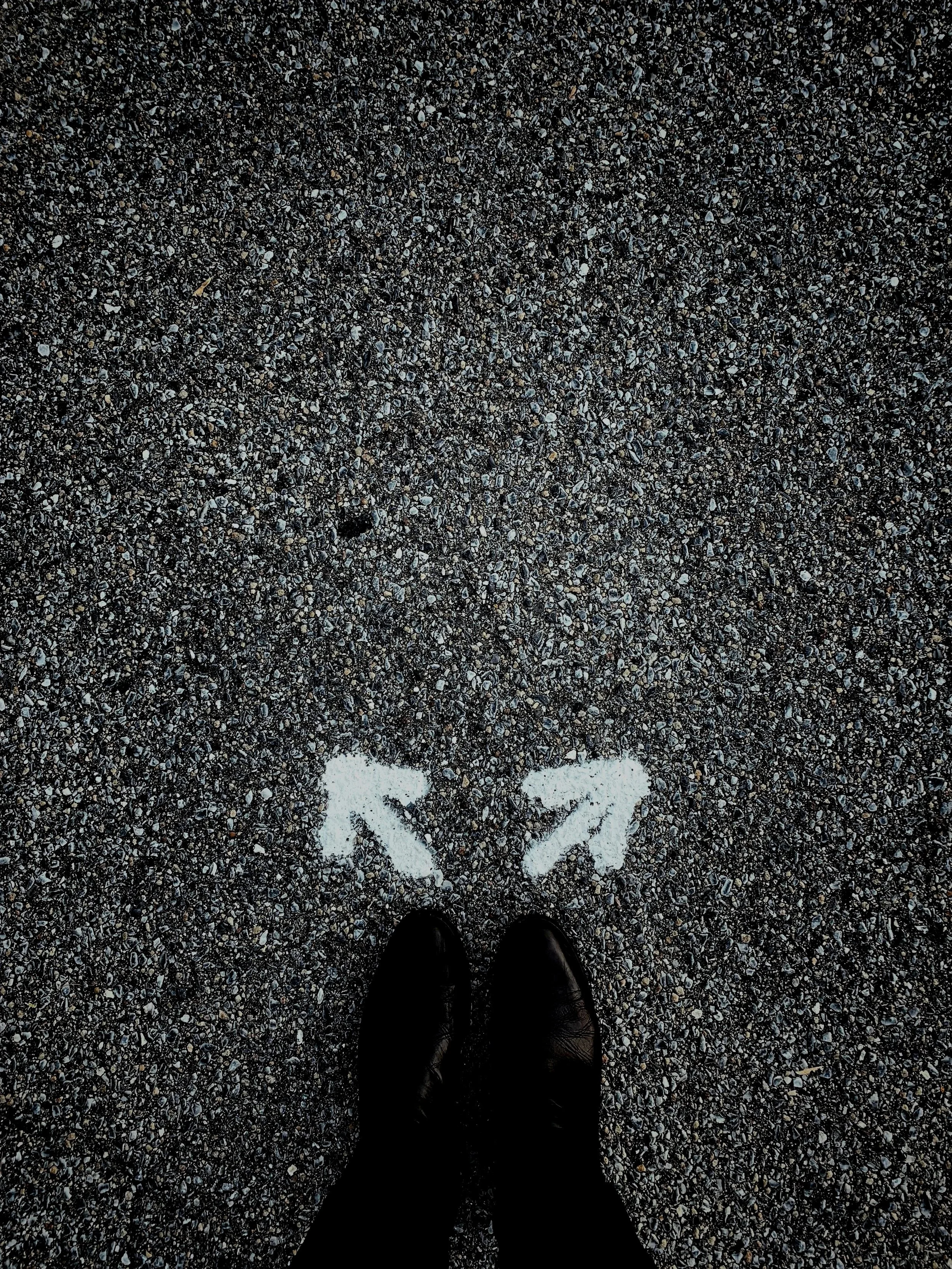
The freedom to choose is one of humanity’s most cherished gifts, woven into our very souls. It is defended by constitutions, psychologists, and even toddlers as a basic human need. Yet an endless buffet of choices is neither required nor always beneficial for exercising agency and promoting self-determination. In fact, too many options can decrease life satisfaction and lead to decision paralysis (Scheibehenne et al., 2010). I have personally experienced this.
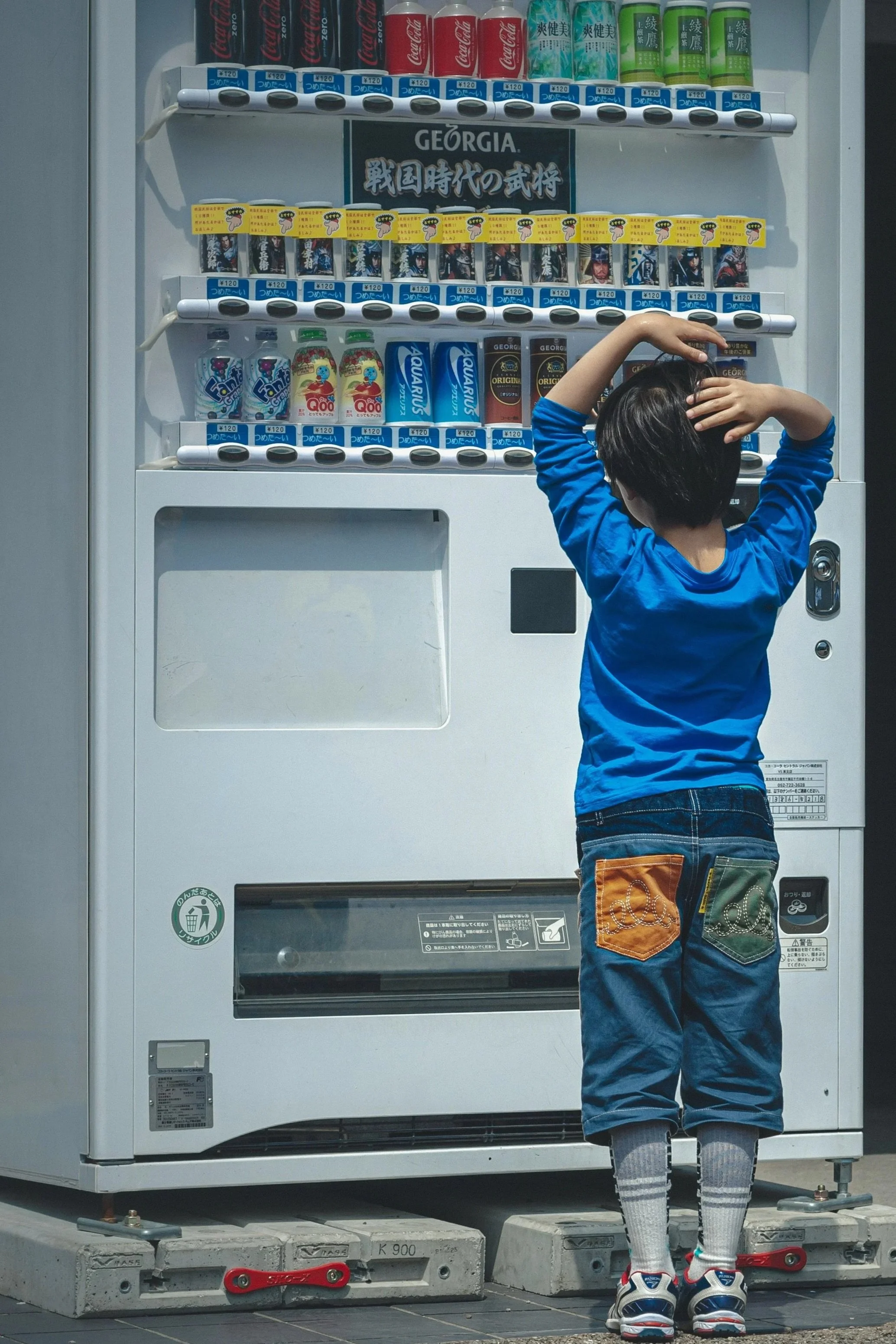
My son received money from his grandpa on his fifth birthday along with a note inviting him to go pick out a present at the local toy store. We had hardly entered the store when he walked straight to the first toy he saw and exclaimed, “I want to buy this.” Although it was suitable, I resisted, explaining that there was a whole store full of toys. I urged him to look around before deciding. We soon fell into a routine. A toy would catch his eye, and he would grab it and say, “I want this one.” I encouraged him to keep looking and promised we would decide at the end. After twenty minutes, he turned to me in frustration and shouted, “I hate doing this! I don’t want to buy anything! You ruined it!” The anticipation and pleasure of picking out a present vanished, and I left the store with my crying son.
Children are not the only ones who suffer from decision fatigue, defined by Pignatiello et al. as “the impaired ability to make decisions and control behavior after repeated decision-making” (2020, pp. 123). Psychologist Barry Schwartz explains the paradox that while we think unlimited options provide freedom and happiness, it burdens, overwhelms, and decreases emotional well-being (2004). For example, how many fledgling young adults leave the comforts of home, excited to embrace independence, only to crash at some point with the demands of “adulting?” Wanting to spoil my daughter returning from her first year of college, I asked what she wanted for dinner. She collapsed on the couch, covered her eyes with her baggy sweatshirt sleeve, and moaned, “I want to not have to choose.” This perfectly illustrates the humor and challenge of decision overload, captured in the popular meme:
“Who knew that the hardest part about being an adult is figuring out what to cook for dinner every single night…until you die” (Anonymous, n.d.).
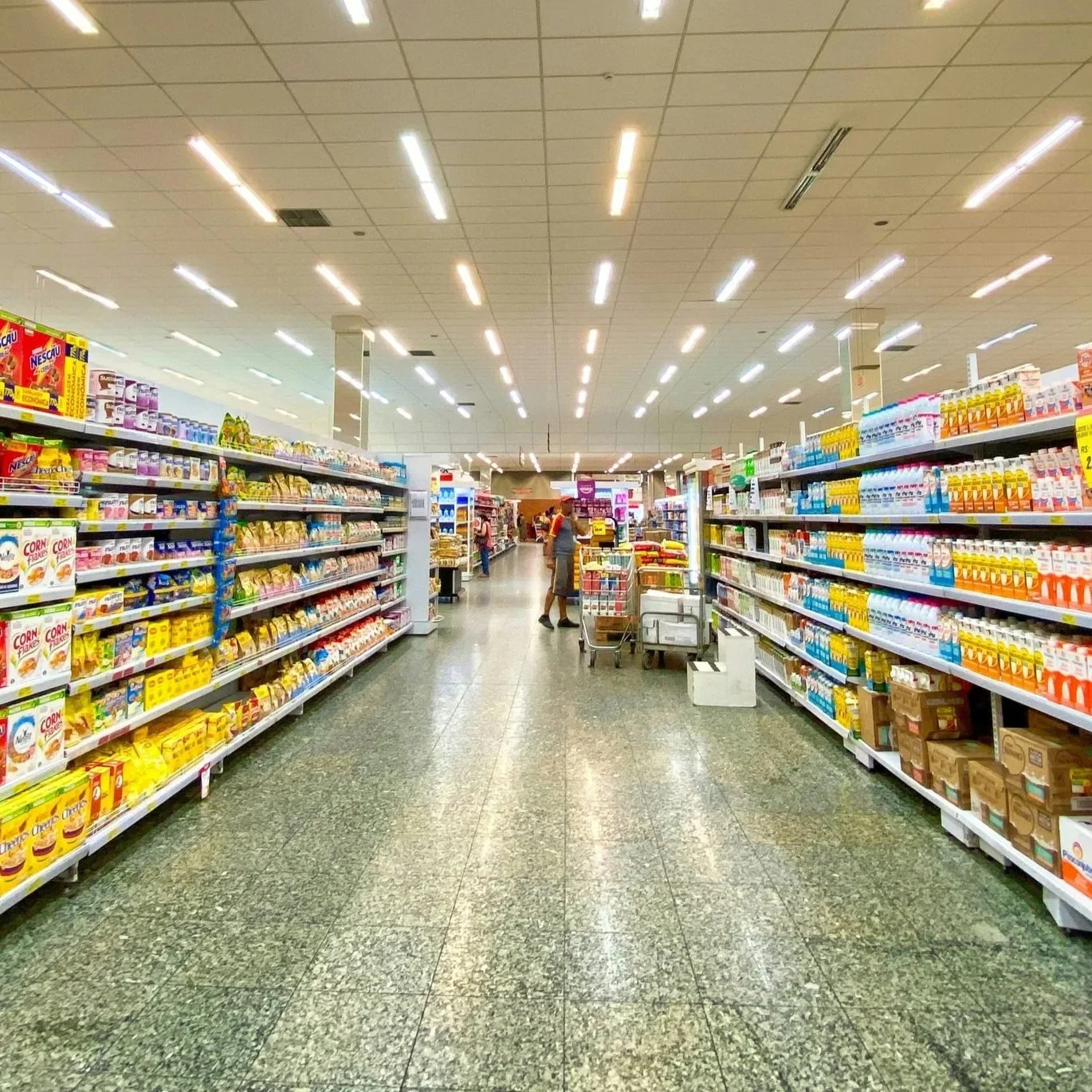
Satisfaction with a choice often decreases as the number of options increases. Psychologists Iyengar and Lepper (2000) demonstrated this by asking participants to choose a chocolate sample from either 30 options, six options, or by giving them a sample with no choice at all. While both groups who could choose were more satisfied than the no-choice group, the surprising result was that participants choosing from six options reported greater satisfaction than those choosing from thirty. More is not always better, as this study shows.
I experienced something similar while planning a trip to Europe. Famous sites in London and Paris had long allured me through books, movies, and social media. I started with a short list of “must-see” places, thrilled to be realizing a lifelong dream. But when I discovered a city pass that included hundreds of attractions for the same price, my thinking shifted. Suddenly I was trying to squeeze two or three extra sites into each day. Feelings of FOMO, overwhelm, and pressure to “get my money’s worth” began creeping in, crowding out the joy and anticipation of the trip. Just like in the study, more choices began producing less satisfaction. Recognizing this pattern helped me realize that enjoying the trip would depend less on finding more options and more on learning how to limit them.
I find comfort in knowing that my experience is part of human nature. Accepting this reality and adopting a few simple strategies also helps. Because I know that adding more options will not improve my experience before, during, or after my trip, I created self-imposed limits on the number of sites I considered for each day’s itinerary. When tempted to squeeze in one more thing, I gently remind myself to simplify, prioritize, choose when I feel fresh, use filters and trusted guides, and embrace imperfection. Ironically, I found that the best way to enjoy more of the world is to choose less of it.
While we all want the best out of life, knowing what is best for us isn’t always intuitive. Most people say they want more options, yet abundance can overwhelm (Chernev et al., 2015). Through self-reflection, mindfulness, self-compassion, and a growth mindset, I’m learning to make better choices, even when that means choosing less.
“People overestimate the happiness that additional options will bring and underestimate the stress and regret that can accompany them.”
References
Anonymous. (n.d.). Who knew that the hardest part of being an adult is figuring out what to cook for dinner every single night? Cool Funny Quotes. https://www.coolfunnyquotes.com/author/anonymous/who-knew-that-the-hardest-part-of-being-an-adult-is-figuring-out-what/
Iyengar, S. S., & Lepper, M. R. (2000). When choice is demotivating: Can one desire too much of a good thing? Journal of Personality and Social Psychology, 79(6), 995–1006. https://doi.org/10.1037/0022-3514.79.6.995
Chernev, A., Böckenholt, U., & Goodman, J. (2015). Choice overload: A conceptual review and meta-analysis. Journal of Consumer Psychology, 25, 333-358. https://doi.org/10.1016/j.jcps.2014.08.002.
Pignatiello, G., Martin, R., & Hickman, R. (2020). Decision fatigue: A conceptual analysis. Journal of Health Psychology, 25, 123 - 135. https://doi.org/10.1177/1359105318763510
Scheibehenne, B., Greifeneder, R., & Todd, P. (2010). Can There Ever Be Too Many Options? A Meta-Analytic Review of Choice Overload. Journal of Consumer Research, 37, 409-425. https://doi.org/10.1086/651235.
Schwartz, B. (2004). The paradox of choice: Why more is less. ECCO.
Thich Nhat Hanh. (n.d.). Letting go gives us freedom, and freedom is the only condition for happiness. Lifehack. https://quotes.lifehack.org/quotes/thich_nhat_hanh_56438